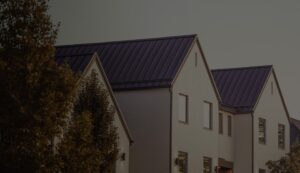
What is Standing Seam Metal Roofing?
“Metal roofing” is a broad term that can describe many different systems. Among them, the most widely recognized and respected is standing seam metal roofing.
A standing seam metal roof uses continuous metal panels characterized by wide flat areas between raised vertical seams. This system hides all fasteners beneath the panels, preventing potential leaks.
Standing seam metal is a system requiring more precise layout, more labor, and a higher level of craftsmanship than traditional roofing materials.
The reward for this additional effort is longevity of the roof. It is not uncommon to see standing seam metal roofs that are 60–80 years old, or even longer when longer lasting materials like copper are used.
How Does Standing Seam Metal Roofing Work?
Standing seam metal roofing relies on several key components that work together to create a durable, high-performing system. The panel design, fastening method, and clip selection all affect how the roof handles weather, movement, and long-term performance.
Vertical Panels
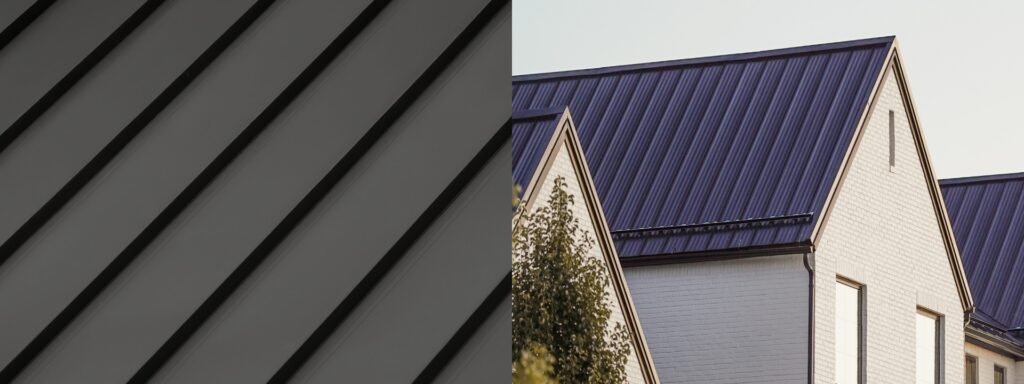
Standing seam systems are composed of vertical metal panels that typically run from the eave to the ridge. The raised seams — often referred to as “legs” — lock panels together and give the system its distinctive appearance and structural performance.
Concealed Fasteners
Fastening is achieved in one of two primary ways:
- Nail-flange (or nail-strip) panels, where the fastening area is integrated into the panel itself
- Clip systems, where separate metal clips secure the panel to the roof deck
Fixed vs. Floating Clips
When clip systems are used, installers typically use two types of clips:
- Fixed clips secure panels in short-panel applications and in designated fixed zones.
- Floating clips secure long panels while allowing them to move as temperatures rise and fall, which reduces stress on the system and helps prevent premature failure.
Why Standing Seam Metal Roofing Outperforms Asphalt Roofing
Properly designed and installed standing seam metal roofing systems meet strict wind-uplift and performance standards. Manufacturers test these systems under UL 580, UL 1897, and ASTM E1592. Depending on panel profile, gauge, clip spacing, and installation method, many systems achieve wind ratings between 110 and 160 mph.
Because of this performance, standing seam metal roofing often outlasts traditional asphalt shingles by decades. When installed correctly, a 24-gauge standing seam roof can last 60–80 years or more with proper maintenance, repainting when necessary, and timely repairs.
Materials Commonly Used
Steel
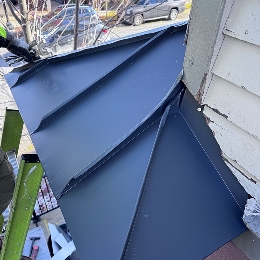
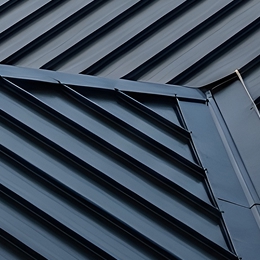
Steel is the most common material used in standing seam roofing. It offers a reliable balance of strength, availability, and cost, and it performs well in Michigan’s climate. Although manufacturers produce steel roofing in several gauges, most installers recommend 24-gauge steel for standing seam systems to improve durability and reduce oil canning.
Aluminum
Aluminum is a specialty roofing material used less frequently than steel. It is lighter and naturally corrosion-resistant, but it expands and contracts more significantly with temperature changes. Because of this, aluminum requires careful detailing and installation.
Copper
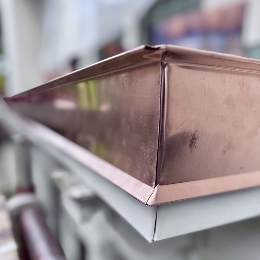
Roofers have used copper for centuries because it lasts a long time and develops a distinctive patina. Copper expands more than steel but less than aluminum. With proper detailing and installation, copper roofing systems can last well over a century.
Zinc
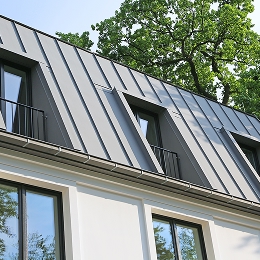
Zinc is a highly specialized roofing material that requires experienced handling and installation. It undergoes significant thermal movement and requires specific detailing methods. Zinc also offers self-healing properties—commonly referred to as galvanic action—where zinc ions migrate to small scratches and protect exposed areas from corrosion.
Design Flexibility
Standing seam metal roofing offers significant design flexibility:
- Panel widths typically range from 12 to 20 inches
- Seam heights commonly range from 1 to 2 inches
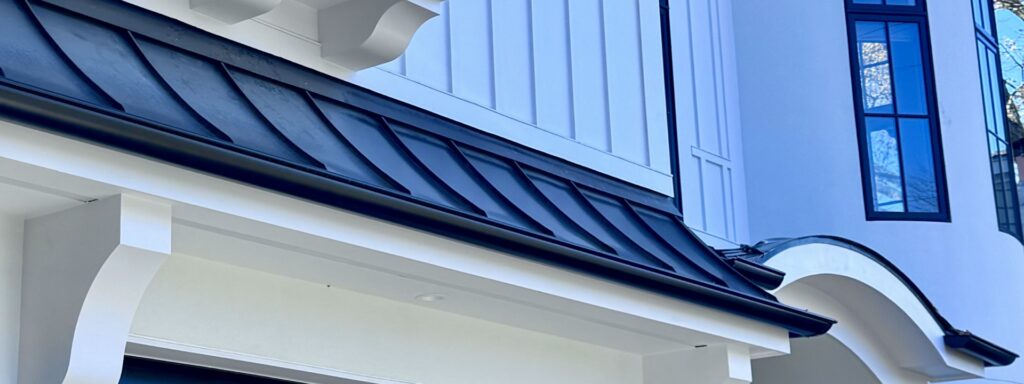
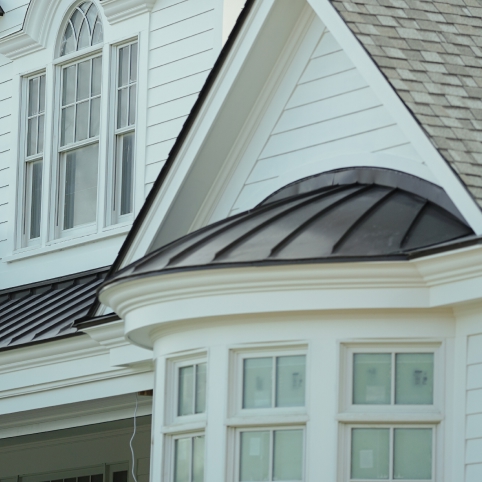
- Contractors can machine-form panels straight or curved, allowing the system to adapt to both modern and traditional architectural designs while maintaining clean, precise lines.
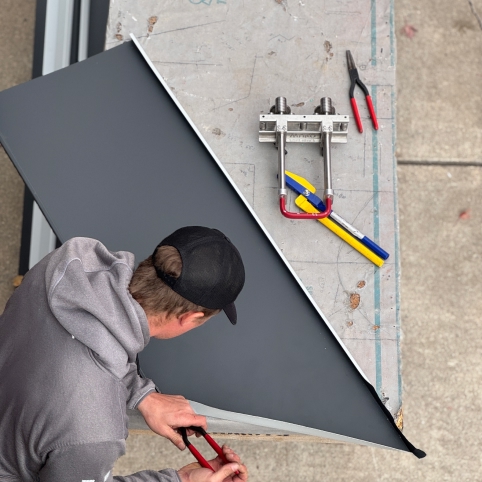
Standing Seam Installation Matters More Than the Material
Lack of proper knowledge and training is one of the leading causes of metal roofing failures.
Installers must allow metal roofing systems to move naturally. When installers restrain panels through improper fastening or incorrect clip selection, stress builds within the metal. This stress often leads to excessive oil canning—visible waviness caused by thermal expansion that the system cannot accommodate.
Beyond aesthetics, this internal stress shortens the lifespan of the roof system and increases the likelihood of long-term performance issues. Proper installation, careful detailing, and a clear understanding of how metal behaves are just as important as the material itself.
A Roofing System Built for the Long Term
Standing seam metal roofing is more than a material choice—it is a complete roofing system designed to manage movement, weather, and time. When properly designed and installed, it delivers a level of durability, performance, and architectural clarity that traditional roofing systems cannot match.
The true value of a standing seam roof lies not only in its appearance, but in the details rarely seen: concealed fasteners, proper clip selection, controlled thermal movement, and precise installation. These elements allow the system to perform reliably for decades.
At Gable Artisan Roofing, we approach standing seam systems with this level of attention to detail, because the longevity of your roof depends on it.